
Understanding the psychology behind gambling behavior in casinos
The Allure of Gambling
The psychology behind gambling behavior is deeply intertwined with the allure that casinos offer. From the moment individuals step into a casino, they are enveloped in an environment designed to stimulate excitement and anticipation. Bright lights, vibrant sounds, and the smell of success create an atmosphere that can trigger euphoric feelings, drawing people into the experience. This sensory overload can heighten arousal, making gamblers more susceptible to risk-taking behaviors. Many enjoy their time playing, perhaps even exploring real money online casinos, as the thrill captivates and engages them.
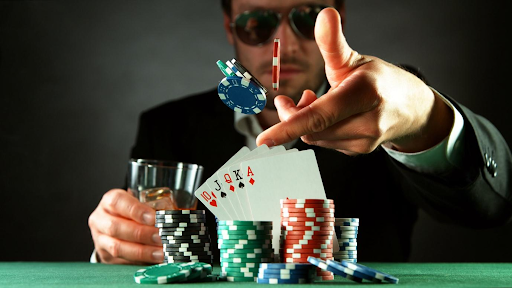
Moreover, the concept of chance and the thrill of winning plays a significant role in attracting individuals to gambling. The possibility of hitting a jackpot or winning a significant amount of money can cause a rush of dopamine, the brain’s “feel-good” neurotransmitter. This physiological response can create a cycle where individuals continuously seek out the same euphoric feelings, leading to repeated gambling behavior.
The Role of Social Influence
Social influence significantly impacts gambling behaviors in casinos. Friends or family members who gamble can encourage others to participate, creating a sense of camaraderie and shared experience. Social dynamics can increase one’s likelihood to gamble, as individuals may feel pressure to conform or compete with others. This social reinforcement can amplify the excitement associated with gambling, making it more appealing.
Additionally, the presence of large groups in casinos can lead to a phenomenon known as “herd behavior.” When people observe others winning or celebrating, they may be inspired to join in, believing that luck is contagious. This psychological mechanism often leads to increased betting and prolonged gaming sessions, reinforcing the behavior through social validation.
The Impact of Near Misses
Near misses play a crucial role in understanding gambling behavior. A near miss occurs when a gambler almost wins but falls just short, such as when two out of three symbols align on a slot machine. This can trigger feelings of hope and motivation to keep playing, as individuals perceive themselves as being “close” to a win. Research shows that near misses can enhance the enjoyment of gambling and increase the likelihood of continued play.
This psychological phenomenon can lead to a false sense of control, where individuals believe their chances of winning are better than they actually are. The brain interprets near misses as successes, reinforcing the idea that persistence might eventually lead to a win. This cognitive bias can create a cycle of repeated gambling, where individuals chase after the elusive victory fueled by optimism and misperception.
The Emotional Rollercoaster of Gambling
The emotional highs and lows associated with gambling are vital to understanding player behavior. Winning can lead to euphoria, while losing can result in frustration and disappointment. This emotional volatility keeps gamblers engaged, as each win reinforces their desire to experience that rush again. Many gamblers learn to ride this emotional rollercoaster, using wins as motivation to keep playing despite losses.
Moreover, the psychological concept of “loss aversion” plays a significant role in gambling behavior. Research indicates that individuals are more motivated to avoid losses than to acquire equivalent gains. Consequently, gamblers may continue playing to recover their losses, even when it is not in their best interest. This can lead to a dangerous cycle where individuals gamble beyond their means, driven by the hope of recapturing lost funds.

Final Thoughts on Gambling Behavior and Casino Experience
Understanding the psychology behind gambling behavior is essential for both players and casino operators. Recognizing the various factors that influence gambling can help individuals make informed decisions and potentially mitigate negative consequences. By being aware of the impact of social influence, emotional dynamics, and cognitive biases, gamblers can approach their experiences with a more balanced mindset.
For those seeking information or assistance regarding gambling behavior, a variety of resources are available. Websites focusing on responsible gambling can provide guidance, tools, and support for individuals navigating their experiences in casinos. Awareness and education are key to fostering a healthier relationship with gambling, ensuring that individuals can enjoy the excitement without falling victim to its pitfalls.