
Exploring the cultural influences of casinos on society
Historical Perspective on Casinos
The evolution of casinos is deeply intertwined with societal changes, reflecting both cultural norms and economic conditions. Originating in ancient civilizations, gambling activities have transformed from rudimentary betting games to sophisticated casino operations. For instance, in the Renaissance period, the first official gambling house was established in Venice, which showcased the growing acceptance of gaming as a leisure activity. This shift marked the beginning of casinos as integral social hubs where diverse groups could gather and interact. As online platforms like https://mafiacasino.info/ emerge, they highlight the continuing evolution of this industry.

In more recent history, the establishment of Las Vegas as a gambling mecca in the mid-20th century significantly shaped perceptions around casinos. It became synonymous with entertainment and luxury, attracting millions of visitors annually. This development not only boosted the economy but also influenced popular culture, resulting in movies, music, and literature that celebrated the glitz and glamour of gambling. As a result, casinos evolved into symbols of success and aspiration, impacting societal views on risk and reward.
Today, the global reach of casinos can be observed in various forms, from lavish land-based establishments to the rise of online gambling platforms. This transition illustrates how technology and cultural acceptance have reshaped traditional gambling norms. As societies increasingly embrace digital interactions, online casinos have emerged, allowing greater accessibility while simultaneously raising concerns about addiction and regulation. Thus, the historical trajectory of casinos highlights their complex role within society, reflecting changing values and technological advancements.
Casinos and Social Interaction
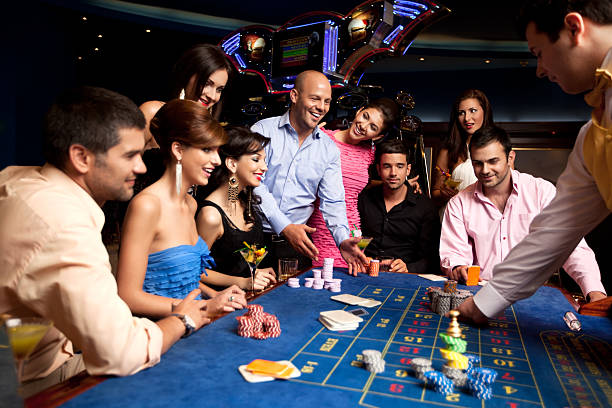
Casinos are more than just venues for gambling; they serve as vibrant social spaces where individuals come together to share experiences. The communal aspect of playing games, whether at a poker table or a slot machine, fosters interactions among players. This social element is particularly notable during large events such as tournaments or themed nights, where individuals from diverse backgrounds converge, creating a unique cultural blend. Such gatherings can enhance social bonds, encouraging conversations that transcend cultural and geographical barriers.
Moreover, casinos often host entertainment and dining options, further enriching the social experience. Live performances, fine dining, and nightlife attractions transform casinos into multi-faceted entertainment complexes, drawing in a wide audience. This integration of various activities encourages people to spend more time in these environments, facilitating opportunities for socialization and community building. For many, visiting a casino is a chance to celebrate milestones or unwind with friends, reinforcing their status as significant social venues.
However, the social dynamics within casinos can also lead to negative implications. The pressure to gamble can foster a sense of competition or alienation among individuals, particularly for those who may experience gambling addiction. This complexity highlights the dual nature of casinos as social spaces that can promote both camaraderie and isolation, emphasizing the need for responsible gambling practices. Understanding these dynamics is crucial for recognizing how casinos influence social behavior and community ties in contemporary society.
Cultural Representations and Media Influence
The portrayal of casinos in media significantly shapes public perceptions and societal attitudes toward gambling. Films, television shows, and literature often depict casinos as glamorous and thrilling environments, contributing to a romanticized view of gambling. For example, movies like “Casino Royale” and “Ocean’s Eleven” glorify high-stakes games and the lifestyles of those involved, enticing audiences with the allure of wealth and excitement. These representations can fuel interest in casinos, attracting individuals who aspire to replicate the glamorous narratives they consume.
Conversely, media can also highlight the darker aspects of gambling, showcasing stories of addiction and loss. Documentaries and films that explore the consequences of gambling addiction serve as cautionary tales, raising awareness about the potential risks associated with casino culture. This dual portrayal creates a complex dialogue around gambling, where casinos are simultaneously celebrated and critiqued. Such narratives can influence societal attitudes, promoting discussions about the need for regulation and responsible gaming practices.
Ultimately, media representations not only reflect but also shape the cultural context of casinos within society. As narratives evolve, they can either reinforce stereotypes or challenge societal norms surrounding gambling. This ongoing dialogue underscores the power of media in influencing public perceptions and the need for critical engagement with the cultural representations of casinos, fostering a more nuanced understanding of their impact on society.
Economic Impact and Community Development
The economic implications of casinos extend beyond the gaming floor, significantly influencing local communities and broader economies. In many regions, casinos serve as crucial economic engines, generating employment opportunities and attracting tourism. For example, the establishment of casinos in economically distressed areas has provided jobs not only within the casinos themselves but also in supporting industries such as hospitality and retail. This influx of jobs can stimulate local economies, leading to improved infrastructure and increased public services.
Moreover, casinos often contribute to community development through various initiatives. Many gaming establishments participate in corporate social responsibility programs, funding local charities, education initiatives, and infrastructure projects. Such involvement can foster positive community relationships and enhance the overall quality of life for residents. For instance, casino-generated tax revenues are frequently allocated toward essential services, including healthcare and education, demonstrating how the gaming industry can play a pivotal role in community well-being.
However, it is essential to consider the potential drawbacks associated with casino development. While they may provide economic benefits, there can also be adverse effects, such as increased rates of problem gambling and associated social issues. This complexity necessitates careful planning and regulation to ensure that casinos positively contribute to community development without exacerbating existing societal challenges. Striking a balance between economic growth and social responsibility is crucial for maximizing the benefits of casinos in society.
Online Gaming and Its Cultural Significance
With the advent of the internet, online gaming has revolutionized the casino industry, introducing new dynamics to the cultural landscape of gambling. Virtual casinos offer unparalleled accessibility, allowing individuals to engage in gaming from the comfort of their homes. This shift has broadened the demographic of players, attracting younger audiences who may prefer the convenience of online platforms over traditional brick-and-mortar casinos. The cultural implications of this shift are profound, as online gaming becomes integrated into the daily lives of many individuals.
Furthermore, online casinos often leverage gamification techniques to enhance user engagement, creating an immersive experience that blends entertainment with skill. These platforms frequently incorporate social elements, allowing players to interact with one another through chats and multiplayer games. This fosters a sense of community in the digital realm, akin to the social environments found in physical casinos. As such, online gaming reshapes cultural perceptions of gambling, making it more accessible and socially engaging.
However, this evolution also raises concerns about gambling addiction and regulation. The ease of access provided by online casinos can exacerbate issues related to compulsive gambling, highlighting the need for responsible gaming measures. As society grapples with these challenges, understanding the cultural significance of online gaming becomes crucial. It not only reflects changing attitudes toward gambling but also prompts discussions about ethics, regulation, and the responsibilities of both players and operators in the evolving landscape of gaming.
Mafia Casino and the Future of Gaming
Mafia Casino represents a modern embodiment of the cultural influences that shape the gaming experience today. Launched in 2025, it offers an extensive selection of over 3,000 games, combining traditional elements of gambling with contemporary innovations. By providing a secure and user-friendly platform, Mafia Casino caters to a global audience, reflecting the growing demand for online gaming experiences. This evolution signifies the merging of technology with cultural preferences, enabling players to engage with games that resonate with their interests.
The casino’s emphasis on player satisfaction through generous bonuses and promotions illustrates the competitive nature of the online gaming market. As operators strive to attract and retain players, the focus on enhancing user experience becomes paramount. Mafia Casino’s commitment to fast payouts and responsive customer support highlights the importance of maintaining trust and credibility in an industry often scrutinized for its ethical considerations. Such practices not only foster a loyal player base but also contribute to the evolving narrative of online gambling culture.
As the industry continues to evolve, platforms like Mafia Casino will play a pivotal role in shaping the future of gaming. The integration of cultural influences, technological advancements, and player preferences will undoubtedly redefine the landscape of casinos in society. Understanding these dynamics will be essential for navigating the complexities of gambling culture as it continues to transform and adapt to the changing needs of players around the world.